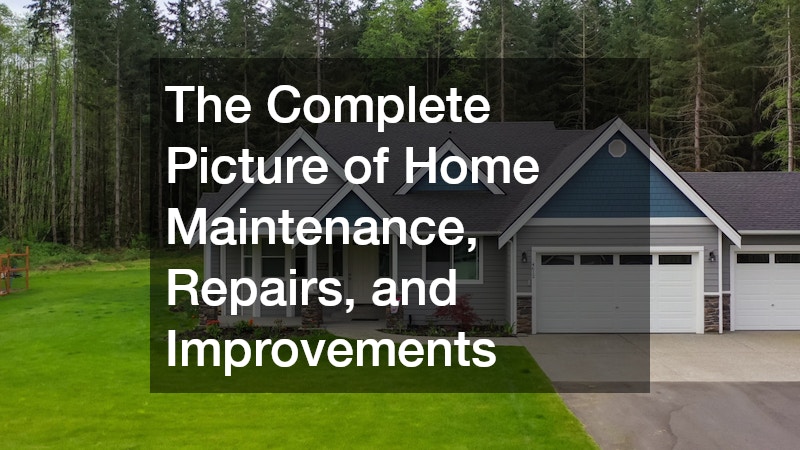
Maintaining a home is far more than just completing occasional repairs or cleaning up messes; it is an ongoing process that ensures safety, efficiency, and long-term value. A well-cared-for property not only enhances comfort and functionality but also improves the overall aesthetic appeal and durability of the living space. Homeowners who invest in thoughtful maintenance routines can avoid costly problems in the future, from structural damage to energy inefficiencies, while simultaneously creating an environment that is welcoming and safe for family and guests. The key lies in understanding the full spectrum of tasks that contribute to a well-maintained property, from interior upkeep to exterior improvements and everything in between.
A comprehensive approach to home care involves both preventive measures and targeted improvements. By addressing issues before they become serious, homeowners can extend the life of critical systems, protect their investment, and maintain a high standard of living. Effective home maintenance also requires organization and knowledge, as each element of the property has specific needs that must be attended to regularly. From routine inspections and minor repairs to larger improvement projects, the combination of diligence and planning ensures that a home remains both functional and aesthetically pleasing for years to come. This guide explores the essential aspects of home maintenance, repairs, and improvements to provide a complete picture for homeowners seeking to care for their property effectively.
Understanding the Scope of Home Maintenance

Home maintenance encompasses a wide range of tasks designed to preserve the safety, functionality, and appearance of a property. It is more than fixing what is broken; it includes regular inspections, preventive measures, and planned improvements that keep a home in top condition. Maintaining a home involves both the interior and exterior, covering everything from structural components and plumbing to landscaping and surface care. A well-maintained home reflects the dedication and attention of its owner and ensures that the property remains comfortable, safe, and efficient over time. Understanding the scope of home maintenance allows homeowners to prioritize tasks, plan effectively, and allocate resources where they are most needed.
Home repair tasks often include addressing worn-out or damaged elements before they escalate into costly problems. For example, repairing leaky faucets, reinforcing weakened structural supports, or replacing outdated fixtures not only restores functionality but also prevents further deterioration. Homeowners may also schedule routine inspections to detect early signs of wear, such as foundation cracks, roof issues, or plumbing leaks. By taking a proactive approach to repairs and maintenance, a homeowner can extend the life of key systems, reduce long-term costs, and maintain a safe and visually appealing living environment. Integrating these tasks into a regular schedule ensures the property remains resilient to both everyday use and unforeseen challenges.
The Role of Preventive Repairs in Property Care
Preventive repairs are a proactive approach to home care that focuses on addressing potential problems before they become severe. This type of maintenance goes beyond reactive fixes, emphasizing foresight and planning to safeguard a property’s value, functionality, and safety. Preventive measures can range from seasonal inspections to routine updates that maintain structural integrity and efficiency. By incorporating preventive strategies into a home care routine, homeowners reduce the likelihood of emergencies, minimize costly repairs, and ensure that their property remains in optimal condition over time. These practices form an essential part of a comprehensive maintenance strategy and serve as the foundation for a well-protected home.
A common example of preventive repair in exterior property care is tree trimming, which helps protect both the home and its surroundings. Overgrown or damaged branches can pose significant risks, including falling onto roofs, obstructing gutters, or interfering with power lines. By scheduling regular tree trimming, homeowners can prevent property damage, reduce hazards, and maintain the health and appearance of their landscape. Additionally, this practice supports other maintenance tasks, such as roof inspections or gutter cleaning, by minimizing debris and improving access. Preventive efforts like tree trimming demonstrate how thoughtful planning and routine upkeep can prevent more serious problems while enhancing the overall safety and functionality of a property.
Exterior Improvements That Support Long-Term Durability
Exterior improvements play a vital role in the overall longevity and appeal of a home. The outside of a property is constantly exposed to the elements, including sun, rain, wind, and temperature fluctuations, which can cause wear and deterioration over time. Maintaining and enhancing exterior features such as siding, roofing, patios, and landscaping not only protects the structural integrity of the home but also contributes to its aesthetic appeal and market value.
Investing in durable materials and thoughtful upgrades ensures that a property remains resilient, energy-efficient, and visually pleasing for years to come. Hiring an exterior contractor can make a significant difference in achieving high-quality results and long-lasting durability. Professionals in this field bring specialized knowledge, tools, and techniques to handle tasks such as siding replacement, deck installation, roofing repairs, and waterproofing. They can assess the current state of a home’s exterior, recommend improvements, and execute projects efficiently and safely. By working with a skilled exterior contractor, homeowners can address vulnerabilities, prevent future damage, and ensure that every improvement aligns with the home’s overall design and functional needs.
Managing Structural and Surface Upkeep
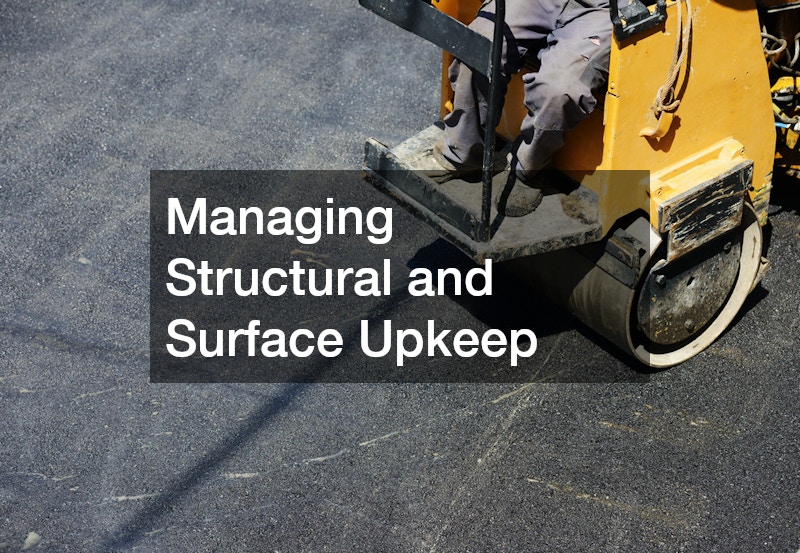
The structural and surface components of a property form the foundation for both safety and curb appeal. Regular upkeep of these elements is essential to maintain stability, prevent accidents, and preserve aesthetic value. Structural maintenance includes inspecting foundations, walls, and load-bearing components, while surface care covers driveways, walkways, patios, and other paved areas. Proper management of both ensures that the home remains secure, functional, and attractive, while also reducing the likelihood of costly emergency repairs or replacements.
Paving plays an important role in surface upkeep, as damaged or poorly maintained driveways and walkways can create safety hazards and diminish the property’s appearance. Cracks, potholes, and uneven surfaces can worsen over time, leading to further structural issues or trip hazards for residents and visitors. By investing in professional paving repairs or resurfacing, homeowners can enhance the safety, durability, and visual appeal of their property. Regular maintenance, such as sealing and inspection, also extends the lifespan of paved areas, ensuring that they remain both functional and aesthetically pleasing for many years.
Electrical and Utility Services in Modern Homes
Modern homes rely on complex electrical and utility systems to support daily living, making proper maintenance essential for safety and efficiency. Electrical systems power everything from lighting and appliances to heating and cooling, and issues can quickly escalate if left unaddressed. Routine inspections, preventative measures, and timely repairs help prevent outages, hazards, and costly replacements. Understanding the importance of electrical and utility maintenance allows homeowners to manage their property effectively and ensures a reliable, safe living environment.
An experienced electrician is critical for addressing both routine maintenance and unexpected electrical issues. Professionals can handle tasks such as wiring inspections, circuit upgrades, outlet repairs, and appliance connections, ensuring that all systems function safely and efficiently. They can also identify potential hazards, such as overloaded circuits or faulty wiring, which could lead to fire risks or power interruptions. By employing a licensed electrician, homeowners gain peace of mind knowing that their electrical and utility systems are reliable, up to code, and optimized for long-term performance.
Cleanliness and Maintenance for Health and Safety
Maintaining cleanliness throughout a home is essential not only for aesthetic reasons but also for the health and safety of its occupants. Regular cleaning prevents the accumulation of dust, allergens, mold, and bacteria, all of which can negatively impact indoor air quality and overall well-being. Beyond the interior, exterior cleaning, such as pressure washing and gutter clearing, also protects surfaces and structural components from long-term damage. A clean home contributes to comfort, functionality, and peace of mind, forming a crucial part of a comprehensive property maintenance plan.
Hiring professional cleaning companies can streamline the process and ensure a higher standard of hygiene throughout the home. These professionals have access to specialized equipment, cleaning solutions, and techniques that make it easier to tackle difficult areas, from deep carpet cleaning to thorough window washing. Additionally, they can provide routine schedules for both interior and exterior maintenance tasks, helping homeowners maintain a safe and healthy environment with minimal effort. Engaging professional services ensures that cleanliness is consistent, effective, and integrated into the broader property care plan.
Protective Features That Reduce Ongoing Damage
In addition to regular maintenance, incorporating protective features can prevent recurring issues and minimize long-term damage. Protective installations such as seals, coatings, barriers, and guards help homes withstand environmental pressures, reduce wear and tear, and prevent common problems from escalating. These preventative measures not only save time and money but also support the home’s longevity, functionality, and safety. By thoughtfully integrating protective features, homeowners can proactively address potential risks before they become costly repairs.
Gutter guards are a prime example of a protective feature that can significantly reduce ongoing maintenance challenges. By preventing leaves, debris, and other materials from clogging gutters, these systems minimize the risk of water overflow, roof leaks, and foundation damage. Installing gutter guards ensures that rainwater flows properly, protecting both the roof and the home’s structural integrity. This small but strategic investment demonstrates how proactive measures can reduce repeated maintenance tasks while enhancing the overall resilience and efficiency of the property.
Functional Upgrades That Improve Daily Living
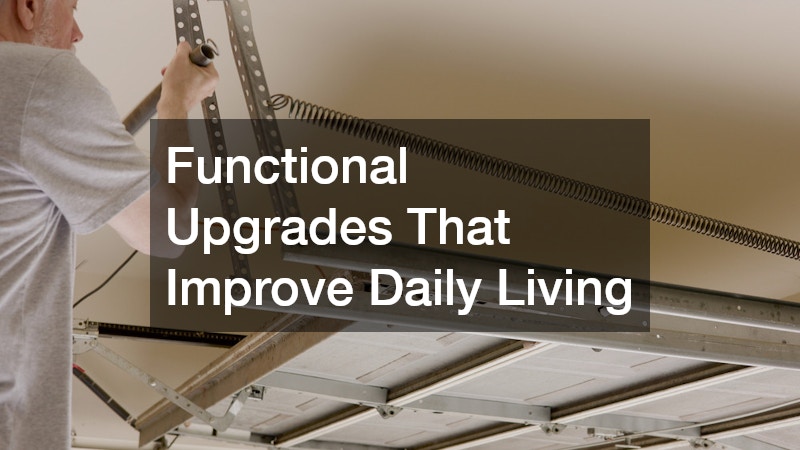
Functional upgrades focus on enhancing the usability, efficiency, and convenience of a home. These improvements not only contribute to comfort but can also increase property value and long-term durability. Upgrades may include anything from updated appliances and storage solutions to more significant structural or mechanical enhancements. By investing in functional improvements, homeowners can create a living environment that better meets their daily needs while reducing the likelihood of operational issues or safety hazards.
Upgrading garage doors is a practical example of a functional improvement that directly impacts daily life. Modern garage doors can provide improved insulation, security, and ease of use compared to older models. Features like automated opening systems, reinforced panels, and weather-resistant materials enhance convenience while protecting vehicles and household items. By replacing or upgrading garage doors, homeowners improve accessibility, increase energy efficiency, and reduce long-term maintenance concerns, making this a meaningful addition to a well-rounded home improvement plan.
Coordinating Multiple Home Services Efficiently
Effectively managing multiple home services is crucial for maintaining a well-organized, functional, and attractive property. Homeowners often deal with a variety of tasks simultaneously, from repairs and preventive maintenance to upgrades and seasonal projects. Without proper coordination, tasks can overlap, cause delays, or even result in incomplete or inconsistent work. Establishing a clear plan, setting priorities, and communicating with service providers ensures that each aspect of home care is addressed efficiently, reducing stress and maximizing results.
Custom glass installations illustrate the importance of coordinating multiple services. Projects such as replacing windows, installing glass railings, or adding decorative features often require precise timing, measurements, and collaboration with other contractors. Coordinating with painters, exterior contractors, or installers ensures that the work is completed safely and seamlessly, without disrupting other aspects of the home. By planning and managing these tasks carefully, homeowners can achieve high-quality results that enhance both the functionality and aesthetic appeal of their property.
Planning for Long-Term Home Improvements
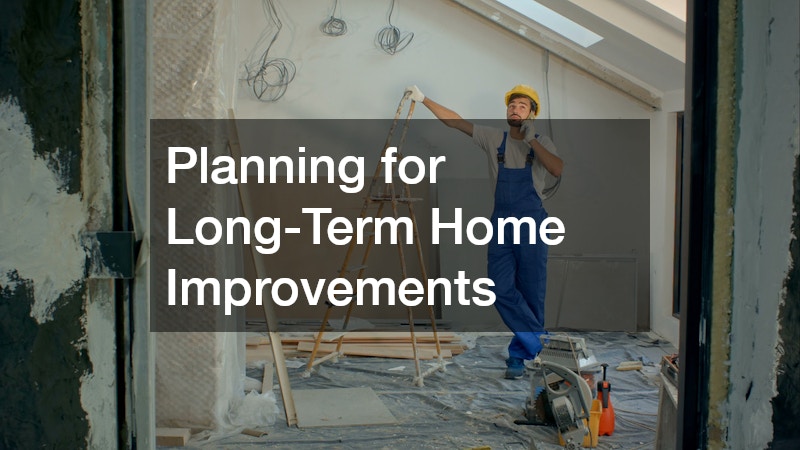
Long-term home improvements involve strategic planning and investment to enhance the property’s value, functionality, and durability over time. Unlike routine maintenance or short-term repairs, these projects are designed to address future needs, support lifestyle changes, and improve the overall efficiency and appeal of the home. Effective planning requires evaluating the current condition of the property, setting realistic goals, budgeting appropriately, and considering potential challenges that may arise during implementation.
Adding a shed is an example of a long-term home improvement that provides both practical and aesthetic benefits. Sheds offer additional storage, create organized spaces for tools or equipment, and can even serve as small workshops or hobby areas. Proper placement, design, and materials are essential to ensure the structure complements the home while withstanding environmental pressures. By thoughtfully planning this type of improvement, homeowners can expand their property’s functionality, streamline storage solutions, and invest in an addition that provides value for years to come.
Comprehensive home maintenance, repairs, and improvements require a thoughtful, proactive approach that balances routine care with strategic upgrades. A well-maintained property is not only safer and more functional but also more attractive and valuable, reflecting the care and attention of its owner. By understanding the scope of necessary tasks, prioritizing preventive measures, and coordinating multiple services efficiently, homeowners can address both immediate needs and long-term goals. Investing time and resources into proper maintenance and improvement ensures that a property remains resilient, comfortable, and visually appealing for years to come. Each component of home care—from routine repairs and preventive actions to functional upgrades and long-term projects—plays a critical role in maintaining the property’s integrity.
Tasks such as tree trimming, paving, electrical inspections, cleaning, and protective features all contribute to a home that operates smoothly and safely. Strategic planning, collaboration with skilled professionals, and thoughtful execution allow homeowners to maximize efficiency, prevent costly damage, and create a living environment that is both functional and enjoyable. Ultimately, a comprehensive approach to home maintenance ensures that every aspect of a property is cared for, laying the foundation for long-term value, safety, and satisfaction.