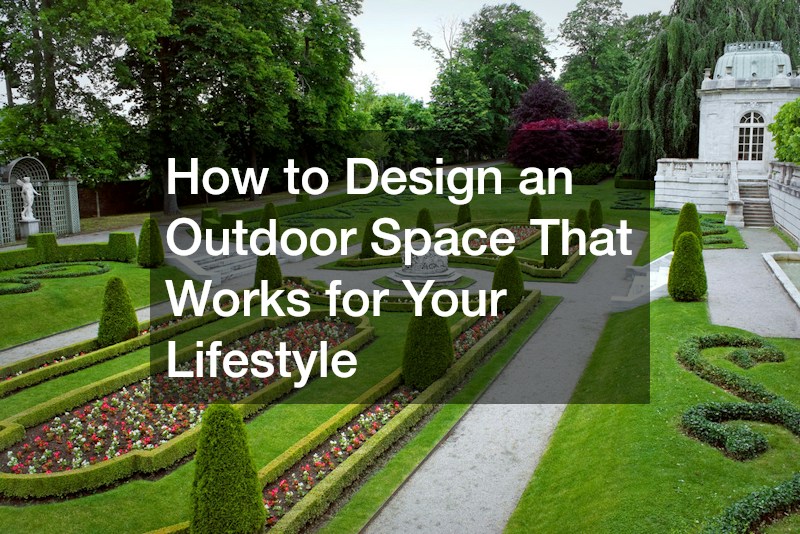
Creating an outdoor space that fits your lifestyle starts with understanding how you actually want to use it. Some homeowners want a quiet retreat for reading and relaxing, while others need room for entertaining, gardening, pets, children, or regular family gatherings. A well-planned yard can support several of these goals at once when each area has a clear purpose and the overall layout feels connected.
The most effective outdoor designs balance appearance with function. That means considering sunlight, drainage, privacy, traffic flow, storage, maintenance, and how different features will work together over time. A beautiful patio may not be useful if it becomes unbearably hot in the afternoon, and an expansive lawn may become frustrating if it requires more upkeep than your schedule allows. Thinking through these practical details before starting work can help you invest in improvements that match your daily routines.
Instead of focusing on individual projects in isolation, look at the property as a complete environment. Landscaping, hardscaping, fencing, trees, gardens, seating areas, and shade structures should complement one another. With thoughtful planning, your outdoor space can become an extension of your home that supports the way you live throughout the year.
Define How You Want to Use the Space
Before choosing plants or materials, make a list of the activities you want your yard to support. Consider how often you entertain, whether you cook outdoors, how much room children or pets need, and whether gardening is an important hobby. Your priorities will determine which improvements deserve the most space and attention.
A household that hosts frequent gatherings may benefit from a large dining and seating area, while someone who values quiet evenings might prefer a smaller patio surrounded by greenery. Families with active children may want open turf and durable pathways. Garden enthusiasts might dedicate more space to raised beds, flowering borders, or edible plants.
Working with a landscaping designer can make it easier to translate these needs into a cohesive plan. A designer can look at the property as a whole and help organize different zones so they feel connected rather than scattered. They may also suggest ways to preserve existing features while improving circulation, privacy, and visual balance.
It is also helpful to consider how your lifestyle could change. A play area may eventually become a garden or seating space, while an open lawn could later accommodate an outdoor kitchen or fire feature. Flexible layouts make it easier for the property to evolve without requiring a complete redesign every few years.
Create a Landscape That Matches Your Maintenance Preferences
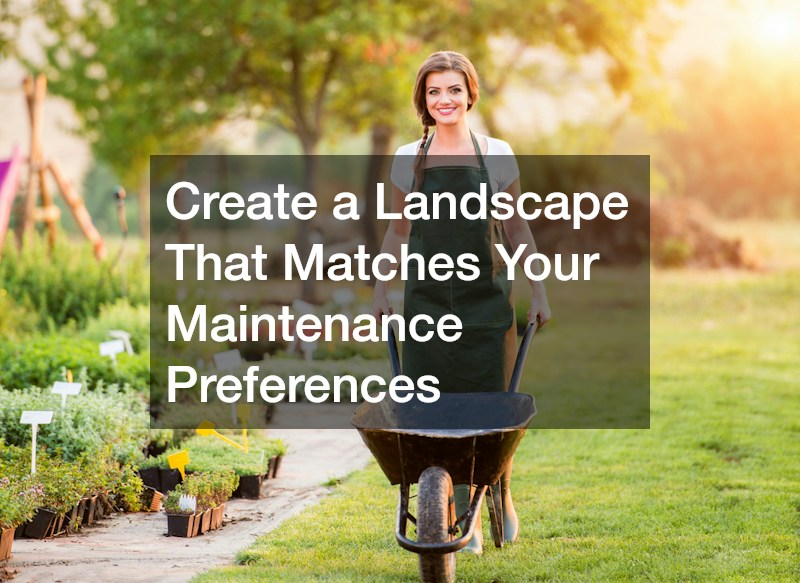
Outdoor spaces require ongoing care, but the amount of work can vary dramatically depending on the design. Homeowners who enjoy gardening may welcome seasonal planting, pruning, and watering, while those with busy schedules may prefer a simpler landscape that needs less frequent attention.
Landscape maintenance services can help keep lawns, shrubs, planting beds, and other exterior areas organized throughout the year. Regular maintenance may include mowing, edging, pruning, cleanup, and seasonal preparation. Establishing a consistent routine can help prevent overgrowth and keep small issues from becoming larger problems.
Lawn care should also reflect how heavily the yard is used. High-traffic lawns may need additional attention to remain healthy, especially if children, pets, or frequent gatherings place stress on the grass. Lawn fertilizing services can support nutrient needs based on the type of grass, soil conditions, and local growing season.
For homeowners who prefer more planting variety, professional garden services can assist with bed preparation, seasonal planting, pruning, mulching, and other garden tasks. Choosing plants that fit the site’s sunlight, soil, and moisture conditions can reduce unnecessary upkeep. A realistic maintenance plan makes it much easier to enjoy the yard instead of feeling responsible for a constant list of chores.
Use Hardscaping to Organize Outdoor Activities
Hardscaping provides structure within a landscape and helps define where different activities take place. Patios, walkways, retaining walls, steps, and other built features can connect the house to the yard while making outdoor areas easier to navigate.
Experienced hardscaping contractors can help homeowners determine where permanent features should be placed based on grade, drainage, traffic patterns, and intended use. These considerations are especially important when a property includes slopes or areas where rainwater tends to collect. Correcting those challenges before adding finished surfaces can help improve long-term functionality.
Walkways should create logical connections between commonly used areas. A path might link the driveway to a side gate, connect a patio with a garden, or provide a stable route to a shed or play space. Well-placed paths can also reduce wear on lawns by giving people a clear surface to follow.
Hardscaping materials should fit both the style of the home and the level of maintenance you are comfortable handling. Concrete, natural stone, brick, and manufactured pavers offer different appearances and upkeep requirements. The goal is not to cover the yard with hard surfaces, but to use them strategically so outdoor activities have comfortable, durable places to happen.
Build a Patio Around Everyday Comfort
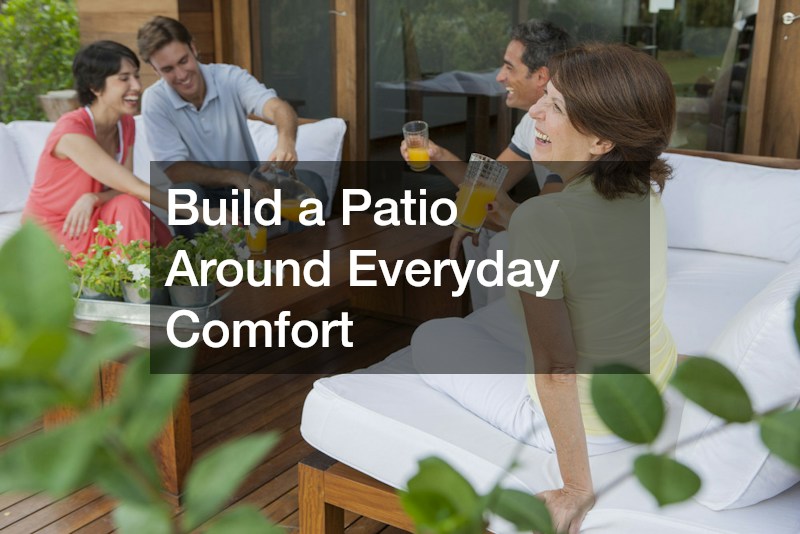
A patio often becomes the center of an outdoor living area, so its size and location should be based on more than appearance. Think about how many people will regularly use the space, what furniture you want to include, and whether you need room for grilling, dining, lounging, or multiple activities.
Patio builders can help plan dimensions that allow furniture and people to move comfortably without making the area feel cramped. A dining table needs enough clearance for chairs to slide back, while lounge furniture should leave open pathways between doors, steps, and the yard.
Homeowners may also consider paver services when creating or updating patios, walkways, and other exterior surfaces. Pavers can be arranged in a variety of patterns and can help coordinate separate areas of the yard. Proper base preparation and drainage are important because shifting or settling can affect both appearance and usability.
Comfort should guide placement as well. Observe where the sun falls during the times you are most likely to use the patio. Nearby trees, pergolas, umbrellas, or other shade options may make the space more pleasant during warmer parts of the day. Planning access to lighting and electrical outlets can also extend how often the patio is used after sunset.
Plan for Shade, Airflow, and Weather Protection
A beautiful outdoor space will not get much use if it is uncomfortable during common weather conditions. Shade, airflow, rain protection, and insect management can make a major difference in how long you can comfortably remain outside.
Covered patios and porches can provide valuable protection, but homeowners may want greater flexibility than a permanently enclosed room. Motorized screens can help create a more adaptable environment by allowing screens to be lowered when additional protection or privacy is wanted and raised when an open-air setting is preferred. Depending on the installation, they may help reduce insects, glare, or exposure to certain weather conditions.
Ceiling fans can improve airflow in covered spaces, while strategically planted trees can provide natural shade. Retractable awnings, pergolas, and umbrellas are other options that can help homeowners adjust outdoor spaces based on the time of day or season.
Consider weather exposure before selecting furnishings and finishes. Cushions, rugs, lighting fixtures, and storage units should be appropriate for outdoor conditions. Providing a convenient place to store smaller items during storms or winter weather can also reduce wear. When comfort features are planned from the beginning, outdoor areas are more likely to be used regularly rather than only during ideal conditions.
Maintain Trees Without Losing Their Benefits
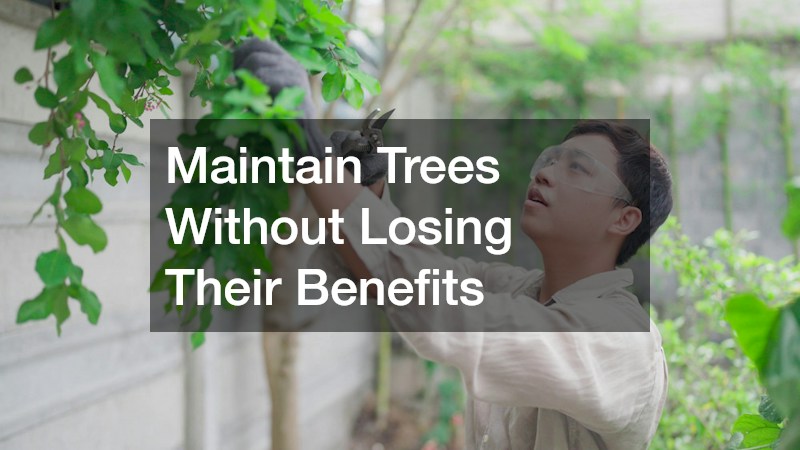
Trees can be some of the most valuable features in a yard. They provide shade, create privacy, soften views, and give outdoor areas a more established appearance. However, trees also need attention to prevent branches or overgrowth from interfering with structures and activity areas.
Professional tree trimming services can help manage branches that extend over roofs, patios, driveways, or walkways. Trimming may also be useful when dense growth blocks important sightlines or limits sunlight in parts of the yard. Homeowners should avoid excessive pruning simply to create a particular shape because improper cuts can damage trees.
Before removing mature trees, consider how the change could affect the property. A tree that seems inconvenient may provide significant afternoon shade or screen a neighboring property. In some cases, selective pruning can address the concern while preserving those benefits.
Smaller landscaping should also be planned around mature roots and canopies. Plants that need full sun may struggle beneath dense trees, while shade-tolerant varieties may perform well. Understanding existing conditions allows homeowners to build around established trees rather than fighting against them, which can create a more natural and functional landscape.
Use Fencing to Support Privacy and Practical Needs
Fencing can serve several purposes at once, including privacy, security, pet containment, and visual definition. The right design depends on where the fence is located and what you need it to accomplish.
A local fence contractor can help homeowners evaluate material choices, height, gate placement, and other practical considerations. Wood may offer a traditional appearance and strong privacy, while vinyl, aluminum, composite, or other materials may better match particular maintenance preferences or architectural styles.
Think carefully about where gates will be placed. A gate should connect naturally with walkways, driveways, garden paths, or frequently used entrances. Wider access may be helpful if lawn equipment, bicycles, trash containers, or large furniture must regularly pass through the area.
Fencing can also separate spaces within the yard without making them feel disconnected. A decorative fence might distinguish a garden from a play area, while a privacy fence can create a more secluded patio. Planting shrubs or climbing plants near certain fence styles can soften their appearance and help integrate them into the landscape. By connecting fence design with the rest of the outdoor plan, homeowners can address practical needs without making the yard feel overly divided.
Bring the Entire Outdoor Plan Together
The final step is making sure each improvement contributes to a unified outdoor environment. Even individually attractive features can feel awkward if they compete for space, interrupt traffic flow, or use unrelated materials and styles. Repeating certain colors, textures, plant varieties, or architectural details can help tie separate areas together.
Review how people will move from the house to the patio, garden, lawn, gate, and other destinations. Frequently used routes should feel intuitive and remain clear of furniture, planting beds, and other obstacles. Lighting can reinforce these connections by highlighting steps, paths, entrances, and gathering areas after dark.
It is often practical to complete outdoor projects in phases. Structural needs, drainage corrections, major hardscaping, and fencing generally deserve attention before delicate planting or decorative additions. Creating a larger plan first helps ensure that each phase supports future work instead of creating obstacles that must later be removed.
Storage and utilities also deserve a place in the overall plan. Outdoor cushions, gardening tools, toys, grilling supplies, and maintenance equipment are easier to manage when they have designated storage close to where they are used. A shed, built-in bench, weather-resistant cabinet, or screened storage area can reduce clutter without taking over the yard. Homeowners should also think about convenient access to water and electricity. Hose connections near gardens can simplify watering, while properly planned exterior outlets can support lighting, cooking equipment, fans, or entertainment features. If outdoor lighting is part of the design, use it to support both safety and atmosphere. Paths, steps, gates, and changes in elevation benefit from clear illumination, while softer lighting around seating areas can create a more relaxing setting. These details may seem secondary during a major renovation, but they often determine how easy the finished space is to use on a regular basis through every busy season.
Most importantly, design decisions should reflect your habits rather than someone else’s idea of the perfect backyard. A successful outdoor space does not need every possible feature. It needs the right combination for the people who use it. When maintenance, comfort, recreation, privacy, and appearance are considered together, the yard can become a practical extension of daily life and a place you genuinely enjoy spending time.